+91 95098 68888


+91 95098 68888
15 October, 2026
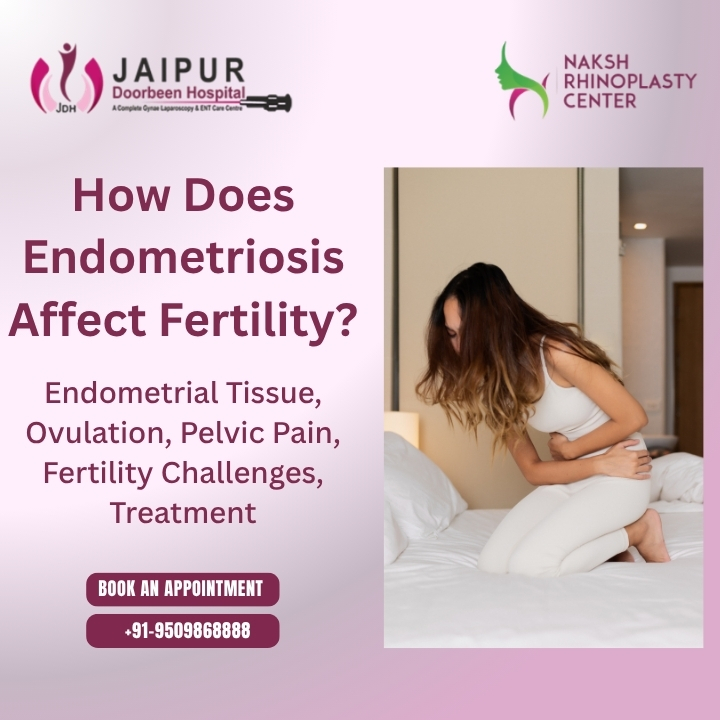
Endometriosis is a condition that can affect more than just menstrual health. For some women, it may also make it harder to conceive. The condition occurs when tissue similar to the lining of the uterus grows outside the uterus, often around the ovaries, fallopian tubes and other areas of the pelvis. This tissue can cause inflammation, pain and scar tissue, which may interfere with reproductive function.
However, having endometriosis does not automatically mean infertility. Many women with the condition are able to conceive naturally. The effect on fertility can vary depending on the location and extent of endometriosis, age, ovarian function and other fertility factors.
Normally, the lining of the uterus responds to hormonal changes during the menstrual cycle. With endometriosis, similar tissue develops outside the uterus. Because this tissue also responds to hormonal changes, it can become inflamed and cause irritation in the surrounding area.
Over time, repeated inflammation may contribute to adhesions or scar tissue. These changes can affect structures involved in conception, including the ovaries and fallopian tubes.
Endometriosis may influence fertility in several ways. One important factor is its potential effect on the ovaries and fallopian tubes. Endometriosis-related inflammation and scarring may interfere with the normal movement of an egg through the reproductive tract.
In some cases, endometriosis can also affect the ovaries directly. Ovarian endometriosis, sometimes associated with endometriomas, may affect ovarian tissue and reproductive function.
The condition may also cause pelvic adhesions, which can alter the normal position or movement of reproductive organs. As a result, the egg and sperm may have more difficulty meeting.
Endometriosis does not necessarily stop ovulation. Many women with endometriosis continue to ovulate regularly.
However, disease affecting the ovaries or surrounding pelvic structures may influence reproductive function. Other conditions can also affect ovulation, so fertility difficulties should not automatically be attributed to endometriosis alone.
A fertility evaluation can help determine whether ovulation, ovarian reserve, fallopian tube health or another factor is contributing to difficulty conceiving.
Pelvic pain is one of the most recognised symptoms of endometriosis. Some women experience severe period pain, pain during or after sexual intercourse, or ongoing pelvic discomfort.
Pain itself does not always directly cause infertility, but it can affect intimacy and make regular intercourse difficult or uncomfortable. For couples trying to conceive, this can become an additional challenge.
Endometriosis can therefore affect fertility through a combination of physical changes, inflammation, possible damage to reproductive organs and symptoms that interfere with attempts to conceive.
If endometriosis is suspected, a gynaecologist may discuss your symptoms, menstrual history and fertility concerns. Depending on the situation, investigations can include an ultrasound or MRI. In selected cases, laparoscopy may be used to assess the pelvis and identify endometriosis.
Because symptoms can vary significantly from one person to another, an individual assessment is important.
Treatment depends on your symptoms, the extent of the condition and whether you are currently trying to become pregnant.
Pain-relieving medicines and hormonal treatments may help control endometriosis symptoms. However, many hormonal treatments prevent ovulation or pregnancy while they are being used, so treatment planning needs to take pregnancy goals into account.
In selected cases, laparoscopic surgery may be considered to remove endometriosis lesions, cysts or adhesions. The potential benefits and risks should be discussed with a specialist because surgery is not appropriate for everyone.
If pregnancy does not occur naturally, fertility treatments such as ovulation-related treatments, intrauterine insemination (IUI) or in vitro fertilisation (IVF) may be considered depending on the individual circumstances.
Consider speaking with a gynaecologist if you have very painful periods, persistent pelvic pain, pain during intercourse, a known history of endometriosis or difficulty becoming pregnant.
Early evaluation can help identify possible fertility factors and allow treatment to be planned according to your reproductive goals.
Endometriosis can affect fertility, but it does not mean that pregnancy is impossible. Inflammation, scar tissue, ovarian involvement and changes around the fallopian tubes can create fertility challenges, while pelvic pain may make conception attempts more difficult.
If you have symptoms of endometriosis or are experiencing difficulty conceiving, a personalised evaluation by a gynaecologist can help identify the underlying factors and guide appropriate treatment. At Jaipur Doorbeen Hospital, timely consultation can help you understand your condition and explore fertility care suited to your individual needs.
01 November, 2020
01 November, 2020